Comparison guide
Sector Scavengers vs Slay the Spire
This page compares the two games using a fixed rubric: run structure, card economy pressure, progression behavior, and replay signal quality. It is meant to help players make a clear decision, not hype either side.
On this page
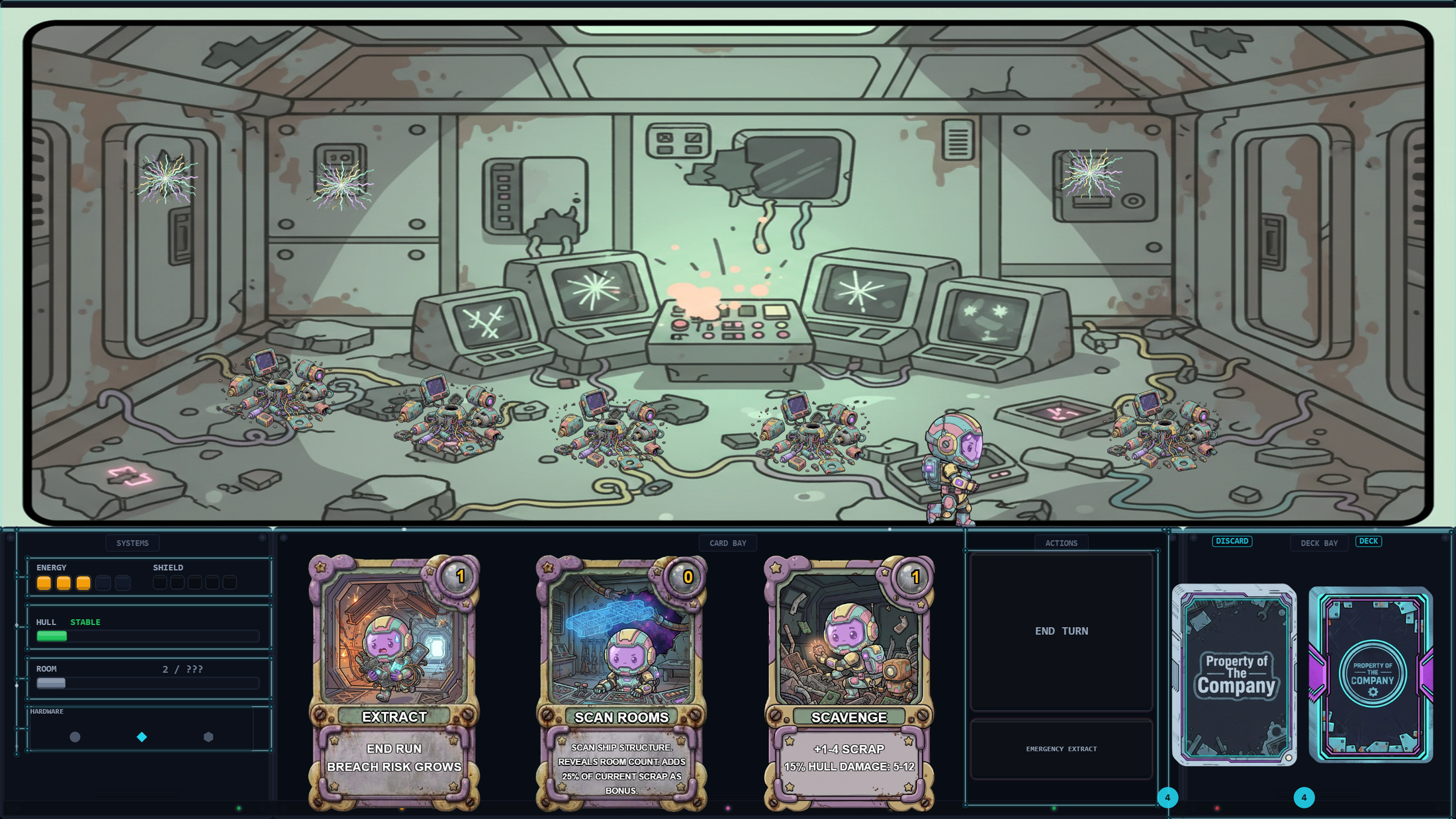
Side-by-side rubric
Compare run pacing, card pressure, and progression behavior with fixed criteria.
Panel 02
System-by-system deep dive
Break down how each game creates pressure during run navigation and turn decisions.
Panel 03
Feature scorecard lens
Read direct criteria notes for pacing, economy, replay, and update transparency.
Panel 04Decision framework for players
Use weighted scoring so you pick by fit, not by trailer hype.
Panel 05Wishlist decision test
See when Sector is the better next follow for your play style.
Panel 06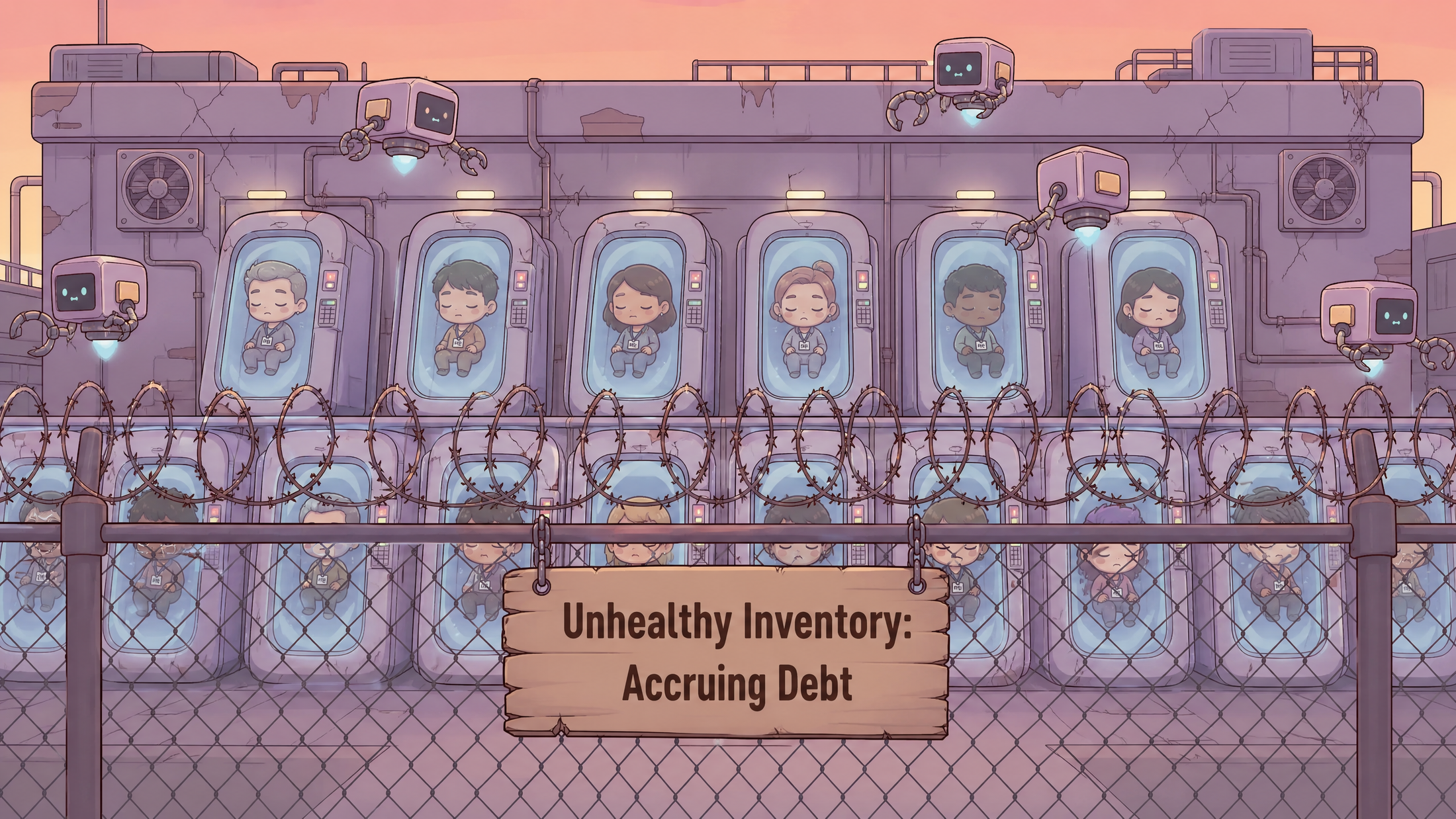
FAQ + next pages
Get direct answers, then jump to fact sheets and updates.
Side-by-side rubric
RubricSlay the Spire sets a mature benchmark for route discipline and run pacing. Sector Scavengers targets that same decision density while layering debt-driven pressure and salvage context into run choices.
RubricCheck how often draw and energy constraints force sacrifices. In Sector Scavengers, hand and fuel constraints are explicit pressure systems. In Slay the Spire, deck velocity and energy scaling create pressure through encounter pacing.
RubricAsk whether progression changes strategy space or only power output. Better long-term replay usually comes from new decision surfaces, not only stronger numbers.
System-by-system deep dive
Turn pressure modelSlay the Spire usually pressures through encounter timing, deck velocity, and scaling windows. Sector Scavengers pushes pressure through fixed-hand constraints, fuel limits, and hull risk that can end runs quickly if sequencing is sloppy.
Run routing modelSlay the Spire's map decisions are the genre benchmark. Sector Scavengers frames route risk as salvage depth versus extraction timing, then adds debt context that changes how players value short-term rewards.
Progression incentive modelSlay the Spire is a mature baseline for repeatable strategic loops. Sector Scavengers adds declared versus smuggled economy language so progression is not just stats, it is risk posture between runs.
Theme-to-system alignmentThe strongest deckbuilders align fantasy with mechanics. Sector Scavengers ties debt, salvage, and ship pressure directly to cards and run outcomes so the theme is felt through play decisions.
Feature-by-feature scorecard lens
Pacing claritySlay the Spire: proven pacing curve with clear route cost. Sector Scavengers: similar pressure target, with salvage and extraction timing changing pacing texture.
Card economy readabilitySlay the Spire: known benchmark for draw and energy tradeoffs. Sector Scavengers: fixed hand plus fuel economy creates visible turn tension for every play.
Replay loop durabilitySlay the Spire: mature long-tail replay reputation. Sector Scavengers: designed to compound replay through debt-facing progression and between-run risk posture.
Update signal transparencySlay the Spire: established release history. Sector Scavengers: players should evaluate active public signals via video dispatches, mechanics page, and updates index.
Decision framework for players
Quick matrixScore each game from 1 to 5 in four areas: run structure clarity, card economy tension, progression depth, and update transparency.
WeightingIf you value immediate strategic rigor, weight run structure and card economy highest. If you value long-term novelty, weight progression depth highest.
Decision rulePick the game whose weighted score stays strongest in your top two priorities, not the one with the loudest trailer.
If you want proven baseline depthUse Slay the Spire as your anchor benchmark for route and deck planning quality.
If you want new thematic pressureTrack Sector Scavengers for debt and salvage-oriented progression and its own pressure profile.
If you care about update visibilityCompare public gameplay footage, changelog cadence, and system notes before locking your time budget.
When Sector Scavengers is the better next wishlist
You want risk per turnIf your favorite moments are pressure turns where every card matters, Sector Scavengers is built around exactly that feeling.
You want flavor tied to mechanicsDebt, salvage, extraction, and hull pressure are not cosmetic labels. They are directly mapped to run incentives and mistakes.
You value transparent progressYou can verify changes through video dispatches, the mechanics section, and dated entries in development updates.
Who Sector Scavengers is for
If you want high-pressure run decisions with debt-focused progression and scavenging theme layers, Sector Scavengers is built for that lane.
Check current gameplay signals on the mechanics section and video dispatches, then use the Steam page to follow release updates. For citation-ready references, use the facts sheet and development updates index.
FAQ
QIs Sector Scavengers a clone of Slay the Spire?
ANo. It sits in the same run-based deckbuilding family but uses different thematic framing and progression emphasis.
QHow should I compare unfinished or upcoming games?
AUse public evidence: gameplay clips, system notes, and update consistency. Avoid judging on short trailers alone.
QWhere can I see current Sector Scavengers evidence?
AUse How it plays, Videos, and the Facts sheet.